
From Frost to Flow: How Heated Waterer Bases Keep the Water Flowing All Winter
How Poultry Waterer Heated Base Keep Your Flock Waterer From Freezing? They’re a cornerstone of responsible winter flock care. It’s engineered to keep your poultry’s water fresh and flowing, no matter how cold it gets. In this post, we’ll explore the science behind thermostatic heating, how it prevents frozen water, and why it’s the safest, smartest way to keep your flock hydrated all winter long.


How Thermostatic Technology Keeps Your Flock Hydrated Through the Harshest Winters
Do you ever spend 10 minutes hammering ice out of a chicken waterer during freezing months? Winter can be brutal for backyard flock owners. The dropping temperatures, icy winds, and frosty mornings don’t just affect your fingers. They jeopardize your flock’s access to something more critical than feed: fresh, drinkable water.
When temperatures drop, frozen waterers can quickly turn chicken chores into a full-time ice-breaking job. But for your flock, access to liquid water isn’t optional. It’s vital for health, digestion, and egg production.
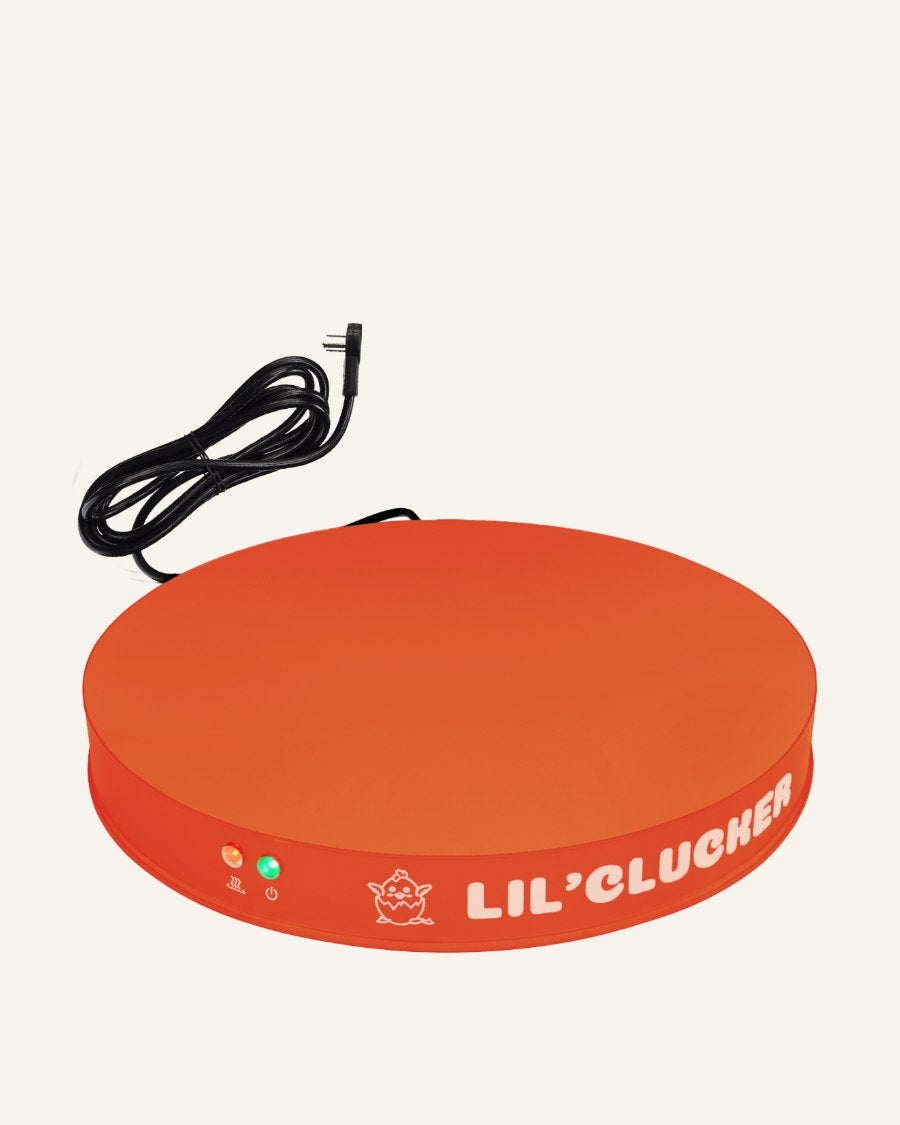
That’s why an auto-thermostatic waterer base, like the Lil’Clucker Poultry Waterer Heated Base, is an essential winter tool. They are more than just a convenience. They’re a cornerstone of responsible winter flock care. It’s engineered to keep your poultry’s water fresh and flowing, no matter how cold it gets.
In this post, we’ll explore the science behind thermostatic heating, how it prevents frozen water, and why it’s the safest, smartest way to keep your flock hydrated all winter long.

Why Frozen Water Is a Serious Winter Risk?
Chickens drink twice as much water as the amount of feed they eat, and when their water freezes, their health declines fast. Frozen water causes:
- Dehydration and digestive slowdown. Feed can’t move properly through the crop and gizzard without enough moisture.
- Reduced egg production. Egg whites are 90% water — if a hen can’t drink, she won’t lay.
- Difficulty regulating body temperature. Chickens can’t sweat; they rely on respiration and water to manage internal heat.
-
Increased stress and disease risk. Reduced circulation and metabolism lowers their immune response.
What makes it worse:
- Still water freezes faster. Moving water takes longer to form ice crystals, but most poultry waterers are static.
- Shallow containers freeze faster. The smaller the volume, the faster the chill spreads.
- Cold air movement accelerates heat loss. Drafty coops or open runs pull heat away from exposed water surfaces.
When your birds lose access to water for even a few hours, dehydration starts to affect their digestion and overall health. Chickens rely on water to help regulate body temperature, digest feed, and even maintain egg production.
The result? Fewer eggs, stressed hens, and possible health problems. All because their water source turned to ice. So make sure that your chicken water is always thawed.

The Best Way to Keep Your Water Thawed
Unlike manual heaters that require constant plugging and unplugging (or dangerous DIY setups), this base uses automatic thermostatic control, a built-in temperature sensor that responds to the environment. Here’s how it works:
- When the temperature drops below 35°F (1.6°C), the thermostat activates the heating element inside the base.
- The element gently warms the metal surface, transferring enough heat through the metal or plastic bottom of your waterer.
- It keeps the water temperature in the 40–50°F range, which prevents ice crystals from forming without overheating.
- Once temperatures rise to about 77°F (25°C), the thermostat shuts off the heat automatically.
Advantageously, this on-demand cycle ensures the base only uses energy when necessary, saving power while keeping your water in a drinkable state 24/7. Making the Lil’Clucker base energy-efficient and safe, designed to use only as much power as needed to get the job done.
The Science Behind It
Here’s why this system works so effectively, even in sub-freezing conditions:
-
Water has a high specific heat capacity.
It takes a lot of energy to change its temperature, which means a little steady heat prevents freezing far more efficiently than short bursts of intense heat. -
Heat moves from warm to cold surfaces.
The heated base transfers warmth to the metal or plastic waterer above it through conduction. Because the contact area is wide and even, the warmth spreads slowly and uniformly. -
Conduction beats convection.
Unlike heating lamps that warm the air (inefficiently), a base heater targets the source directly, the water container, minimizing energy loss. -
Thermodynamic Balance.
The thermostat maintains an equilibrium — not too hot, not too cold so your flock gets fresh, unfrozen water without wasting energy.
This blend of physics and engineering makes thermostatic bases far more efficient and reliable than DIY or manually controlled options.
Why It’s Safer Than DIY “Hacks”
One of the biggest concerns during winter is fire safety.
Each year, countless barns and coops are lost because of unsafe heating “hacks” — from heat lamps to DIY cookie tin heaters in the coop. While the intention is good, the results can be catastrophic. These methods can cause fires, electrical overloads, and unsafe overheating.
That’s why the Lil’Clucker Heated Base is built for safety first:
- Low wattage to prevent overheating or scorching surfaces.
- LED power indicator shows active heating status for quick visual checks.
- 10-foot heavy-duty cord for flexible placement. Reach your perfect coop setup without risky cord stretching.
- Automatic shutoff when not needed
These features combine convenience with peace of mind because the last thing you want in winter is to trade frozen water for a fire hazard. It’s the safest way to keep water thawed. No sparks, no stress, no “Pinterest fails.”

Smart Setup Practices to Maximize Efficiency and Longevity
To get the best performance from your heated base:
- Pair with a compatible metal or plastic waterer that has a flat bottom for full heat transfer.
- Use an insulated coop area and place the waterer in a draft-free section to reduce heat loss.
- Set the base on a cinder block, paver, or nonflammable stand to allow air circulation beneath and prevent contact with bedding.
- Use a GFCI outlet or outdoor-rated extension cord for safety and compliance with electrical standards.
- Keep cords elevated or protected from curious beaks and scratching feet.
- Check occasionally for dust or debris buildup and wipe it down to maintain efficient heat transfer.
- When spring arrives, unplug, clean, and store the base in a dry location to extend its lifespan.
A little attention during setup ensures your heated base performs safely and efficiently. But with proper care, a quality thermostatic base can last many years, providing dependable winter service season after season.
Once you’ve set it up, something magical happens. You start walking to the coop in the morning with coffee in one hand and confidence in the other. Your chickens cluck happily, their water flows freely, and you don’t have to smash anything with a hammer before 7 a.m.
At the end of the day, winter poultry keeping doesn’t have to be a frozen chore.
👉 Get your Lil’Clucker Heated Base today and make frozen water one less thing to worry about this winter.

Send us a photo of your bucket or coop and what you are trying to do. The Lil'Clucker team will answer, usually the same day.
Send us a photo and the Lil'Clucker team will answer, usually the same day.
Message the farmKeep reading


