

How to Stop Chickens From Overheating (Before It Becomes a Problem)
Learn how to prevent heat stress in chickens before it becomes dangerous. This guide covers early warning signs of overheating, practical cooling strategies, and simple coop management tips to keep your flock safe, healthy, and comfortable during hot weather.


Summer Survival Guide for Backyard Chickens
Most chicken owners have experienced it.
It's a hot afternoon. You walk out to the coop and notice your hens aren't scratching around like they usually do. Instead, they're gathered under a bush, standing still with their beaks open and their wings hanging away from their bodies.
At first glance, it might look strange or even alarming.
But your chickens are actually trying to tell you something.
"We're getting too hot."
Summer heat can be tough on chickens. Unlike humans, chickens can't sweat, which means they rely on a few natural cooling methods to regulate their body temperature. And when temperatures climb too high, heat stress can quickly become a serious problem. In severe cases, it can even be life-threatening.
The good news is that chickens usually give plenty of warning before they reach that point. By understanding how chickens regulate their body temperature and making a few adjustments around shade, airflow, and water, you can often prevent problems before they start.
Since chickens have no sweat glands, they depend on three main mechanisms to cool themselves:
-
-
Releasing Heat Through Bare Skin
-
Have you ever wondered why combs and wattles are so large and bright red? Those fleshy appendages aren't just for looks. They're packed with blood vessels that act much like a radiator. As blood flows through these exposed areas, excess heat escapes into the air.
That's one reason Mediterranean breeds like Leghorns, with their large combs and lighter bodies, often handle heat better than fluffy breeds like Cochins or Orpingtons.
-
-
Panting
-
When temperatures rise, chickens begin breathing rapidly with their beaks open.
This process allows moisture to evaporate from their respiratory tract, helping cool the body. Although panting is effective, it also causes increased water loss, which means dehydration can develop surprisingly quickly.
-
-
Changing Their Behavior
-
Chickens are remarkably good at conserving energy when they're hot. Rather than running around and foraging, they'll naturally:
-
-
-
- Seek shade.
- Dust bathe.
- Spread their wings.
- Reduce activity.
- Eat less.
- Drink more.
-
-
These behaviors aren't signs of laziness. They're survival strategies.
But how do you know if they are already struggling because of prolonged periods of extreme heat? Heat stress doesn't happen all at once. Chickens usually show subtle signs before things become dangerous.

How to Tell If Your Chickens Are Overheating
1. Excessive Panting
Panting is one of the first and most obvious signs of overheating. Chickens will breathe with their beaks open to release excess body heat.
A little panting during the hottest part of the day is normal. But persistent, heavy panting indicates that your bird is beginning to struggle.
2. Wings Held Away From the Body
You may notice chickens standing with their wings slightly extended. This posture helps increase airflow around their bodies and release trapped heat.
3. Reduced Activity
Overheated chickens often become noticeably quieter. Instead of scratching and foraging, they'll seek out cool spots and spend more time resting.
4. Decreased Appetite
Birds tend to eat less when temperatures are high. While this is normal to some extent, a significant drop in feed intake can eventually affect egg production and overall health.
5. Pale Combs and Wattles
Healthy combs and wattles are usually bright red. If they appear unusually pale or dull, it could indicate heat stress.
6. Lethargy or Loss of Balance
If a chicken seems weak, struggles to walk, or appears disoriented, immediate action is needed. Severe heat stress can escalate quickly.
Why Prevention Matters More Than Treatment
Heat stress affects much more than a chicken's comfort.
Even mild overheating can lead to:

-
-
Reduced Egg Production. When temperatures rise, hens naturally eat less. Lower feed intake means fewer nutrients are available for egg formation, often resulting in fewer eggs and thinner shells.
-
Weakened Immune Function. Chronic heat stress suppresses the immune system, making birds more vulnerable to respiratory infections, parasites, and other illnesses.
-
Poor Feed Conversion. Chickens consume less feed while expending more energy trying to stay cool, reducing overall efficiency.
-
Dehydration. Water loss through panting increases dramatically during hot weather. Severe dehydration can affect organ function and circulation.
-
Increased Mortality. Extreme heat events can cause multiple losses within a flock if preventive measures are not in place.
-
Because these problems are much harder to reverse, prevention should always be the priority.
-
-
Prioritize Shade Throughout the Day
-
Direct sunlight can increase surface temperatures dramatically, turning runs into heat traps. Fortunately, shade is one of the easiest and most effective ways to prevent overheating. Even a difference of a few degrees can significantly improve a chicken's ability to regulate body temperature.
Some simple shade solutions include:
-
-
-
- Trees, shrubs, and bushes
- Shade cloths
- Tarps positioned high enough to allow airflow
- Covered runs or pergolas
- Portable umbrellas or canopies
-
-
Natural shade is especially valuable because they create microclimates that remain noticeably cooler than exposed areas. But remember that the sun moves, so a shaded area in the morning may be fully exposed in the afternoon. Observe your run throughout the day to ensure your flock always has access to protection from direct sunlight
-
-
Improve Airflow in the Coop
-
A coop that feels stuffy to you probably feels much worse to your chickens. That’s when good ventilation helps a lot in removing heat and moisture while allowing fresh air to circulate. To improve this:
-
-
-
- Open windows whenever possible.
- Install hardware cloth over openings for predator protection.
- Ensure vents are located high in the coop where hot air naturally rises.
- Give birds as much space as possible and keep the coop uncluttered.
- Use fans safely to improve air circulation and help reduce heat buildup
-
-
-
- Make Fresh Water a Priority
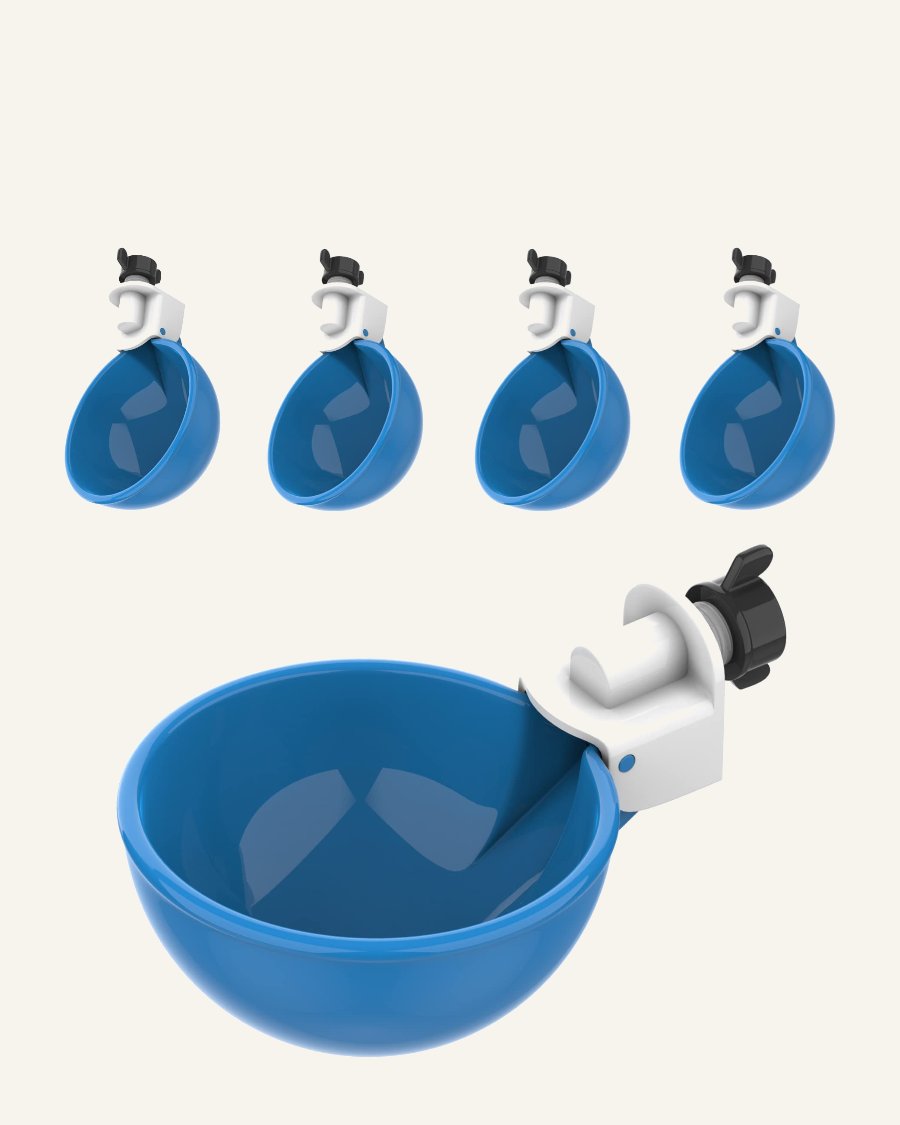
Water is your flock's first line of defense against overheating, but a chicken's water consumption can easily double during hot weather. Even a few hours without fresh water can put birds at risk.
Don't assume a morning refill will last all day. Check water levels frequently during extreme heat and make sure:
-
-
-
- Containers remain clean.
- Water stays cool and plentiful.
- Nothing has tipped over or become clogged.
- Extra watering stations are available.
-
-
Additional waterers are especially important in larger flocks or mixed-age groups, where dominant birds may guard resources.
-
-
Create Cool Zones
-
Chickens naturally seek out cooler surfaces when temperatures rise.
You can help by providing:
-
-
-
- Areas with loose dirt for dust bathing.
- Sandy spots under shrubs.
- Flat stones or pavers that stay cool.
- Damp soil patches in shaded locations.
-
-
Many birds will spend the hottest hours relaxing in these naturally cooler areas.
-
-
Avoid Adding Extra Heat
-
Certain activities increase stress in hot weather.
During periods of extreme heat:
-
- Avoid handling chickens during the hottest part of the day.
- Postpone coop cleaning until early morning or evening.
- Feed scratch grains and treats later in the day since digestion generates body heat.
- Prevent overcrowding whenever possible.
These small changes in routine can make a whole lot of difference.

Which Chickens Are Most Vulnerable?
Although any chicken can suffer from heat stress, some birds are naturally more susceptible than others.
-
-
Heavy Breeds. Large breeds such as Orpingtons, Jersey Giants, Brahmas, and Cochins have greater body mass and dense feathering, making it more difficult for them to dissipate heat.
-
Older Birds. Senior chickens may have reduced cardiovascular efficiency and less ability to adapt to temperature extremes.
-
Chicks and Young Birds. Young birds have not yet fully developed their ability to regulate body temperature and may become stressed more quickly.
-
Overweight Chickens. Excess body fat acts as insulation, trapping heat inside the body.
-
Highly Productive Layers. Producing eggs requires considerable energy. Hens laying consistently during summer generate additional metabolic heat, increasing their need for cooling.
-
Birds with Dense Feathering. Feather-footed breeds and birds with thick plumage retain more heat than lighter-feathered breeds.
-
Understanding which birds are most at risk allows you to monitor them more closely during hot weather. And in case you already noticed a chicken overheating:
-
Move it immediately to a cool, shaded location.
-
Increase airflow with a fan.
-
Offer cool, not ice-cold, water. (Avoid using ice water, as rapid temperature changes can place additional stress on the body.)
-
Gently wet the legs and feet with room-temperature water.
-
Monitor the bird closely.
If symptoms worsen or the bird becomes unable to stand, seek veterinary assistance as soon as possible.
However, by the time a chicken collapses from heat stress, the body is already under tremendous strain.
That's why experienced chicken keepers focus on prevention rather than treatment.
Watch for the early warning signs and focus on the fundamentals. Provide plenty of shade. Keep the air moving. And above all, make sure your flock always has access to fresh, reliable water.
Because the best way to deal with heat stress isn't to treat it, it's to make sure your chickens never experience it in the first place.

Send us a photo of your bucket or coop and what you are trying to do. The Lil'Clucker team will answer, usually the same day.
Send us a photo and the Lil'Clucker team will answer, usually the same day.
Message the farmKeep reading


