
The Summer Setup That Saves You Time (And Actually Works)
Looking for a low-maintenance chicken coop setup this summer? Summer chicken care doesn't have to mean more work. By designing a low-maintenance coop setup, you can reduce repetitive chores while keeping your flock healthy, comfortable, and safe. Focus on practical improvements like increasing watering capacity, using automatic watering systems, optimizing feeder placement, improving drainage, creating designated coop zones, providing shade and ventilation, and performing simple preventive maintenance. Small changes can make daily care more efficient, allowing you to spend less time cleaning and refilling and more time enjoying your flock.


Build a Low-Maintenance Coop Setup for Summer
Chicken keeping sounds simple until summer arrives.
Suddenly, your chickens somehow manage to empty the waterer five minutes after you filled it, bedding is everywhere, and your clean drinking station is a mud puddle. And you're making yet another trip outside to check whether your chickens have managed to turn a perfectly functional setup into a poultry disaster zone. It can start to feel like a full-time job.
The good news? Summer care doesn’t have to mean more work. The key is to build a setup that helps reduce repetitive chores like refilling, cleaning, and checking equipment. More capacity. Less mess. Better placement. Easier maintenance.
A low-maintenance setup isn't about neglecting your chickens or leaving everything unattended. It's about eliminating unnecessary work while making the important parts of daily care more reliable.
Let's look at how to do it.
Why Summer Requires a Different Chicken Setup
Before changing your setup, it helps to understand why summer creates more work in the first place.
Since chickens are sensitive to high temperatures, summer can make chicken care more demanding. Unlike humans, they don't have sweat glands that allow them to cool themselves through sweating. Instead, they rely on behaviors such as panting, reducing activity, seeking shade, and drinking more water to cope with heat. That means water becomes one of the most important parts of your summer management routine.
That extra water consumption can quickly expose weaknesses in your setup. Small waterers need more frequent refilling, while open containers can collect dirt, bedding, feathers, and droppings. Heat can also make wet areas muddier and feed more prone to spoilage.
The solution isn't simply to work harder. It's to make your setup work smarter. Design your setup to handle increased demand.

1. Start With an Automatic or Higher-Capacity Watering System
If you want to reduce your daily chicken chores, start with water.
Water is essential to your flock, and summer makes reliable access to clean, fresh water even more important. A small waterer may work well during cooler months, but when chickens drink more in hot weather, it can quickly become a constant refilling job.
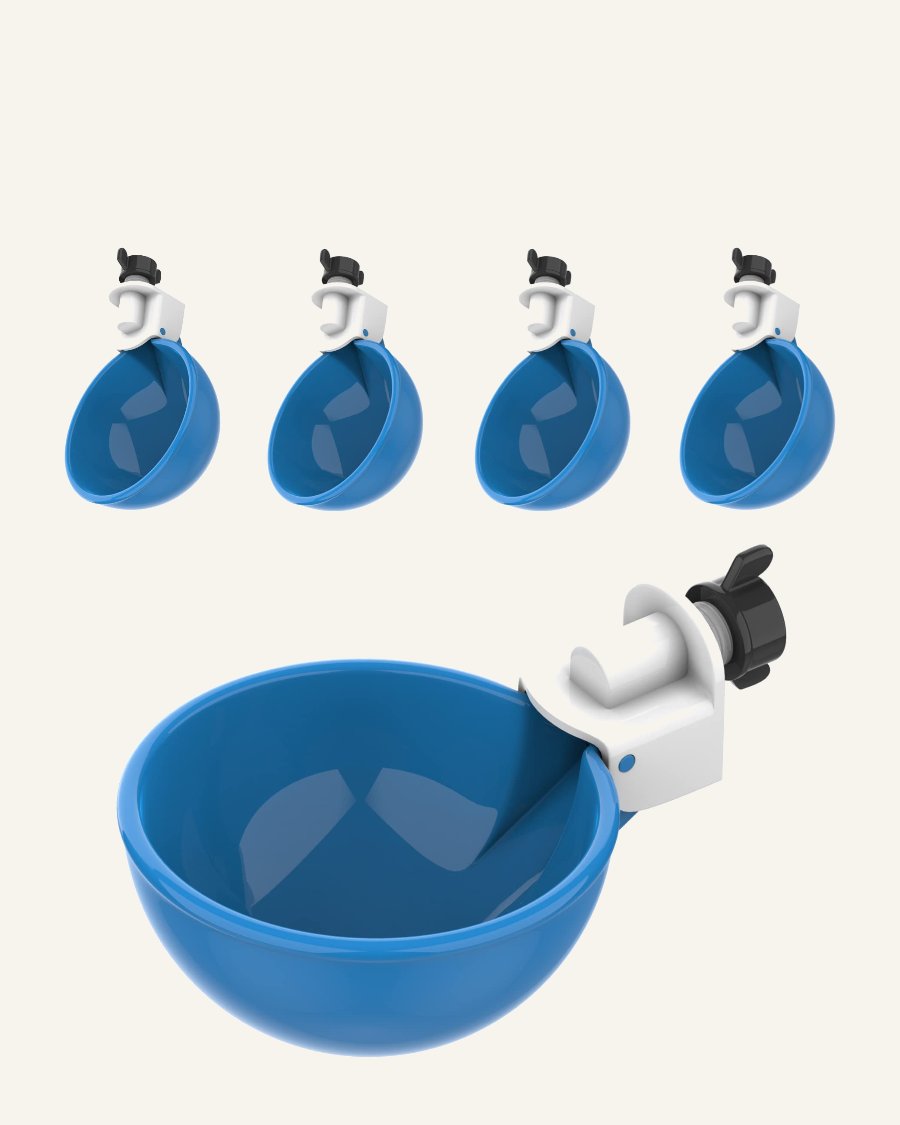
Instead of repeatedly filling a small container, consider a higher-capacity reservoir or an automatic pipe watering setup with a continuous water supply. A larger reservoir gives your flock access to more water between refills, while an automatic system connected to a reliable water source can continuously replenish drinking points as your chickens drink.
When choosing your setup, consider more than flock size. Your schedule and weather matter, too. Build in enough capacity for hotter days, increased drinking, a growing flock, and unexpected delays.
For more ways an automatic system can simplify poultry care, check out our guide to the Top 7 Reasons to Invest in an Automatic Water System.
The goal isn't to eliminate flock care. It's to reduce repetitive chores, especially constant refilling, by building a watering setup that can keep up with your flock.

2. Optimize Your Watering Setup: Access, Placement & Elevation
A good watering system isn't just about having enough water; it’s about making it easy to access, clean, and maintain.
For larger flocks, consider multiple drinking points to reduce crowding and give every chicken reliable access. Place them in shaded, well-drained areas away from dust baths and heavy scratching. Spread them out so several chickens aren't competing for one spot.
Elevating the drinking area can further reduce dirt, splashing, and mud while making the surrounding area easier to clean. Make sure cups or drinking points are positioned at a comfortable height for your flock. The important thing is that birds can comfortably reach the water without excessive stretching or awkward positioning.
A well-placed, properly elevated watering system can mean less mess, less competition, and less cleaning.

3. Build a Smarter, Weather-Proof Feeding Station
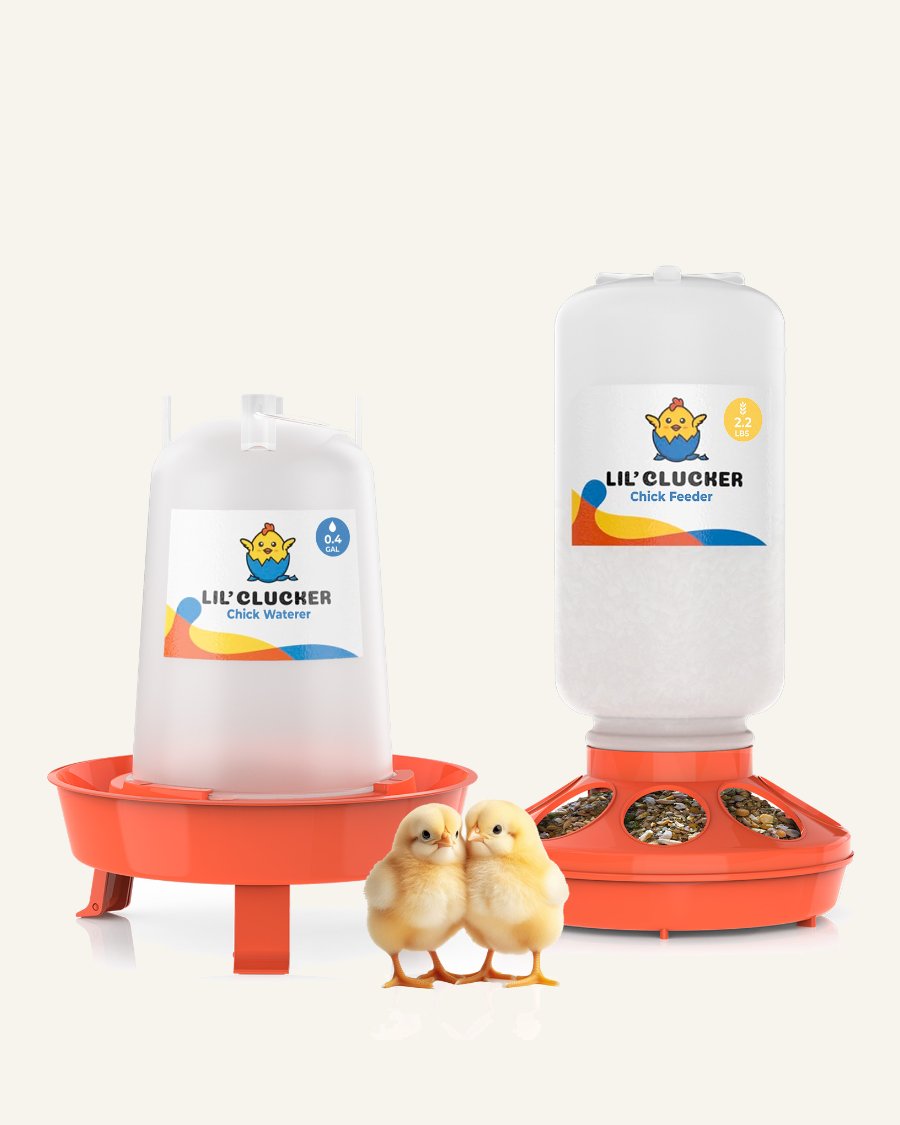
Summer isn't only about water. A poorly positioned or undersized feeder can also create extra chores through frequent refilling, spilled feed, contamination, and moisture.
Choose a feeder with enough capacity to reduce frequent refilling while keeping the feed fresh. Position it at an appropriate height and in a dry, protected area to minimize scratching, bedding, rain, pests, and wasted feed.
If chickens are constantly standing at the feeder, scratching feed onto the ground, or getting it wet, your setup may need adjusting.
Keep stored feed in a suitable container and protect it from moisture and pests. Wet feed can spoil more quickly, encourage mold growth, and create even more cleanup.
Sometimes the solution isn't cleaning more; it's changing the setup.

4. Make Nesting Boxes Easier to Maintain
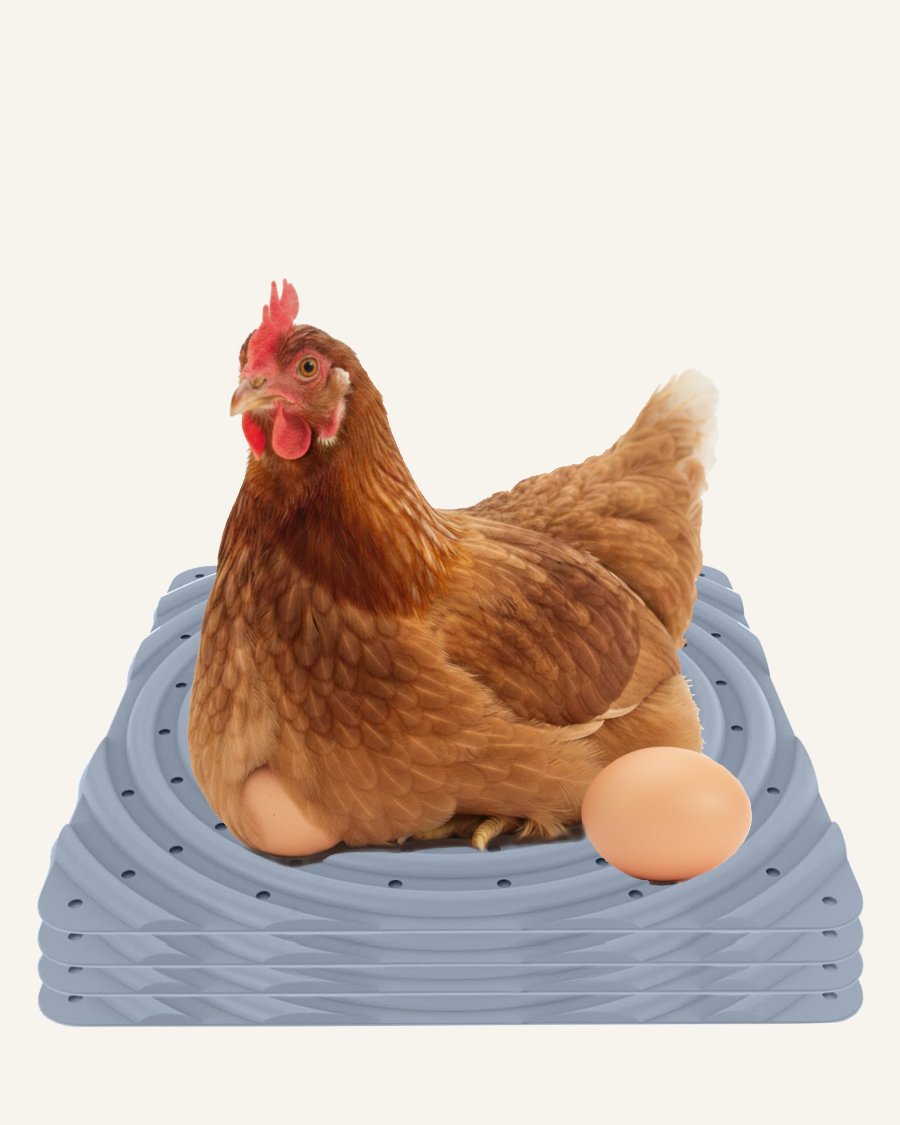
Nesting boxes can quickly become another daily cleanup chore, especially when bedding gets dirty or damp. A good nesting area should be clean, dry, comfortable, accessible, and easy to maintain.
While loose nesting material works, it can become soiled quickly and often needs frequent replacement. Washable nesting pads offer a reusable alternative that simplifies routine maintenance. When a pad gets dirty, simply remove it, clean it according to its care instructions, and return it once it's ready.
This can help reduce recurring waste while making egg collection and nesting box upkeep more predictable. And because chickens have a talent for turning clean spaces into messy ones, anything that makes cleanup easier is a win.

5. Redesign Your Coop To Reduce Traffic
Think about where your chickens eat, drink, sleep, scratch, dust-bathe, and lay eggs. Creating designated zones for each activity can help reduce the spread of dirt, bedding, and moisture while making daily maintenance easier.
-
Drinking Zone: Shaded, clean, accessible, and well-drained
-
Feeding Zone: Dry, protected, and positioned to minimize feed waste
-
Nesting Zone: Quiet, comfortable, and easy to clean
-
Dust-Bathing Zone: Dry and positioned away from food and water
Also, pay attention to drainage, especially around waterers, feeders, entrances, and high-traffic areas. If the same spot consistently becomes muddy, consider moving the equipment or improving the surface with an appropriate drainage solution.
A smarter layout helps keep dirt, moisture, and traffic from spreading throughout the coop, reducing daily cleanup.

6. Build for the Busiest & Hottest Days
A summer-ready coop needs to work during the hottest part of the day, not just during the comfortable morning hours. Keep an eye on your flock. Reducing chores doesn't mean reducing attention. Summer heat can become dangerous for chickens, so your flock still needs regular observation.
During hot weather, regularly watch for these signs of heat stress:
- Panting
- Wings held away from the body
- Reduced activity
- Increased water consumption
- Seeking shade
- Changes in normal behavior
More severe or persistent signs require prompt attention.
The exact response depends on the situation, but make sure chickens have access to fresh water, shade, ventilation, and a comfortable environment during high temperatures. Position shade where your flock actually spends time, remembering that the sun moves throughout the day. Don't assume that just because your waterer is full and functioning, your flock is automatically comfortable.
For more practical tips on keeping your flock cool, check out our guide on How to Stop Chickens From Overheating.
Remember, a good system supports your flock. It doesn't replace you. Your job becomes less about repeatedly performing the same manual task and more about checking that the system is doing its job.
7. Create a Dedicated Chicken "Utility Zone"
Save time by keeping frequently used supplies together in one easy-to-reach spot. Store essentials like replacement waterer parts, washers, cleaning brushes, feed scoops, gloves, nesting pads, and basic maintenance supplies in a labeled container, shelf, or cabinet.
You don't need a fancy storage system. The purpose is to eliminate the "Where did I put that?" part of chicken keeping. Check your setup before your chickens force you to. A few quick observations can help you catch small issues without turning chicken care into another checklist or scheduled task.
Build a System That Works for You
Small changes can give you your time back. The best poultry setups aren't the most complicated. They're the ones that solve problems before they become chores.
Constantly refilling water? Increase capacity. Dirty water? Improve the system and placement. Muddy areas? Improve drainage. Excessive feed waste? Adjust the feeder. Messy nesting boxes? Choose an easier-to-clean solution.
If you're spending more time maintaining your setup than enjoying your flock, it's time to simplify. Build the system, maintain it consistently, and let it do more of the work. You get fewer chores, while your chickens get a cleaner, more reliable setup.
If you're new to keeping chickens and still figuring out how all these pieces fit together, start with the basics. Our Poultry 101: Getting Started with Backyard Chickens guide covers the fundamentals of setting up and caring for a backyard flock.
Because a good chicken setup isn't about doing more chores, it's about making fewer chores necessary in the first place.
And if your chickens can stay hydrated, comfortable, clean, and well cared for while you spend less time playing refill-and-clean-up duty?
That's a summer setup that actually works.

Send us a photo of your bucket or coop and what you are trying to do. The Lil'Clucker team will answer, usually the same day.
Send us a photo and the Lil'Clucker team will answer, usually the same day.
Message the farmKeep reading


